




Media Contact

Related News
Related News







Want a bird’s eye look at how, where and why pathology tests are ordered across NSW emergency departments (EDs)? Or take a deep dive into test ordering variation for specific conditions?
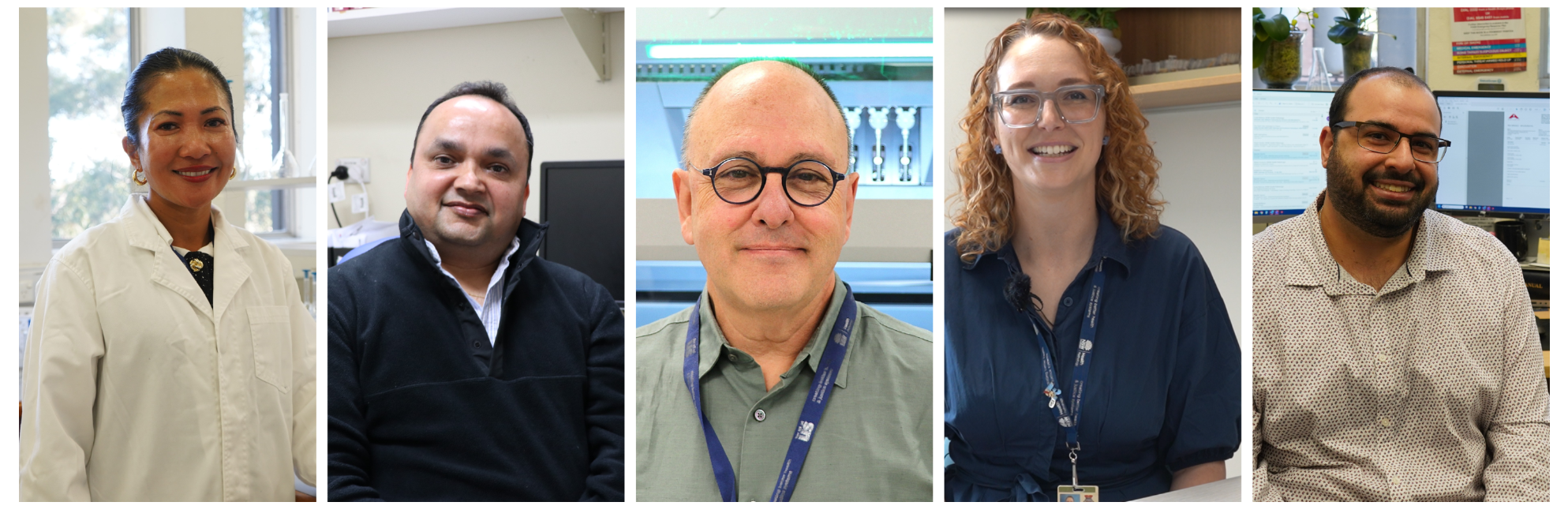
This is the extraordinary level of information that NSW Health Pathology can now offer its clinical partners via a new pathology data visibility tool, BirdsEye.
The tool was launched to more than 60 of the state’s senior ED clinicians and nurses by NSW Health’s Agency for Clinical Innovation (ACI) in April 2026.
Built by our Data and Insights team and co-designed with clinicians in collaboration with ACI, it is now in use at almost 50 NSW Local Health District emergency departments.
Intensive Care Unit and Admitted Patient versions of the tool are now planned.
What does it do?
Pathology testing has a fundamental impact on the diagnosis and outcomes of patients visiting EDs. Ordering too many, too few or inappropriate tests can lead to misdiagnosis, increased length of stay and risk of returning to the ED days later with the same condition. Ordering the ‘right’ tests more consistently is beneficial to patients, the environment and overall cost to the health system.
BirdsEye puts pathology ordering intelligence directly in the hands of ED clinicians by triage category, by test type, benchmarked against peer sites across NSW. Data can even be viewed according to diagnosis against more than 11,500 presenting problems.

Project lead Craig Scowen, our Manager Performance and Reporting, said it’s an example of genuine co-design.
“Our development team turned a complex data challenge into something elegant, intuitive, and genuinely useful to clinicians on the floor,” he said.
“ED clinicians gave their time to help design and validate it, ensuring that what we built reflected the reality of emergency medicine and right test, right time outcomes.”
Meet our early adopters
The Coffs Harbour, Wyong and Royal North Shore hospital EDs were early adopters of the tool in a trial that will now expand to Gosford, Sutherland and Wollongong to encourage take-up and inform further enhancements.
“What we’ve seen at our pilot sites is remarkable,” Craig said.
“Unprecedented visibility empowering decision making, with measurable results in patient outcomes and sustainability.”
Dr Matthew Knox, Deputy Director, Wyong Hospital ED, said the tool had been essential in tailoring the sustainable pathology ordering project to that site.
“We started out with the highest rate of pathology testing in our peer group and we’re now down to fifth which is really encouraging,” he said.
“The tool showed we were in the high range across all tests, so we focused on helping staff identify that they could reduce this with a safety-first approach.
“From January 2025 to January 2026 we reduced our ordering from 60pc to 53pc with no adverse effects for patients and saved an estimated 3.2 tonnes of carbon dioxide”.
What’s next?
Birdseye realises the next stage in our statewide Pathology Stewardship program which aims to ensure test ordering across NSW Health is targeted and sustainable – the right test delivered for the right patient each time.
More than 300 senior ED clinicians and nurses now have access to Birdseye and are logging in to explore its capabilities. They’re also booking training sessions with Craig and the team to ensure they get the most out of it.
Work is now beginning on the ICU version of the tool.