




Media Contact
Related News
Related News
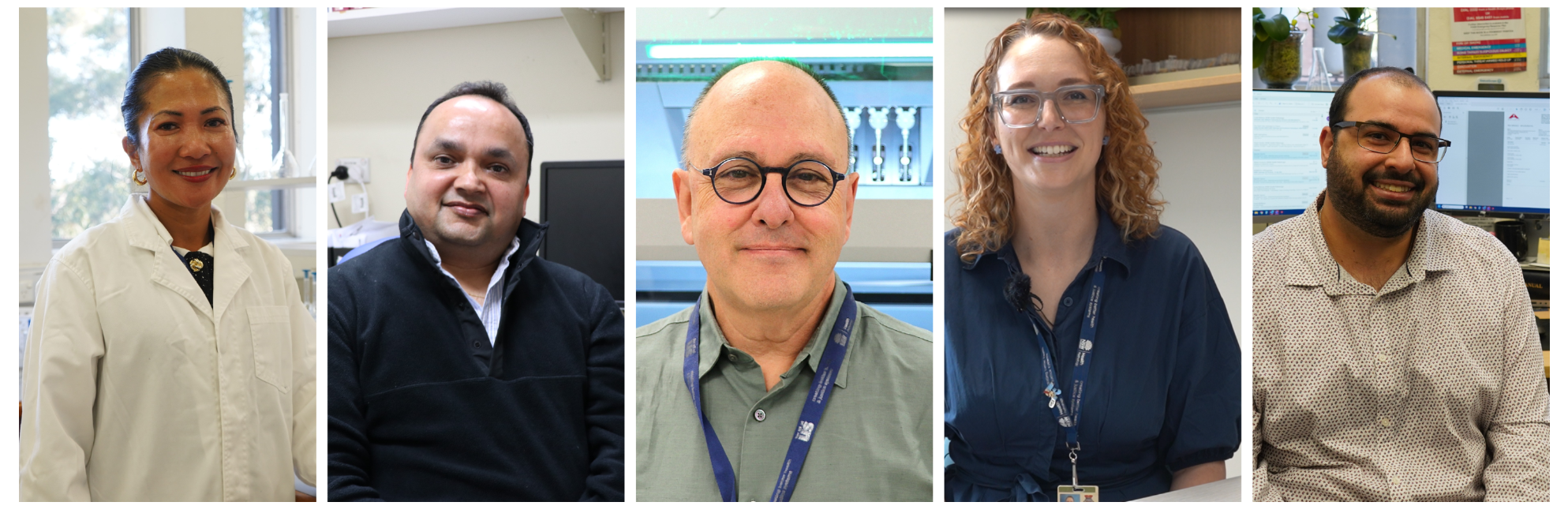

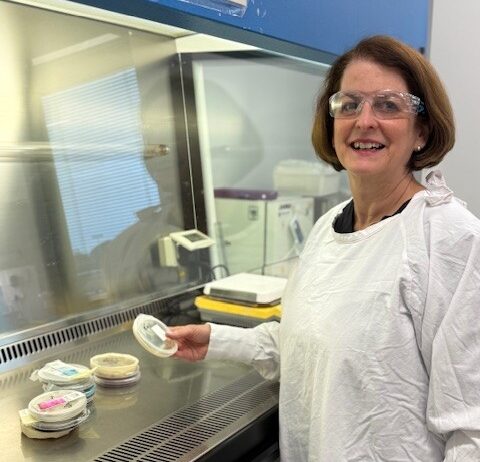





For many junior doctors the pathway into a medical career begins with a desire to make a difference. Meet three Anatomical Pathology Junior Medical Officers (JMOs) working in labs across NSW Health Pathology and find out what they love most about their chosen specialty.
Dr Lisa Xie is based at our Randwick Pathology Laboratory and describes her transition from medical student to JMO with NSW Health Pathology as a natural progression.
“Having worked alongside many doctors with the NSW system as a medical student, I was already familiar with the clinical environment, culture and training opportunities,” she says.
For Dr Xie the appeal of pathology lies in the intellectual challenge it offers.
“Working in pathology has given me a much greater appreciation of its vital role in patient care,” she explains.
“There is so much more than just looking down the microscope. Pathology is a much more integrated and communicative specialty than I had initially realised.
“It feels very much like putting together all the pieces to solve a complex puzzle. Although much of the work happens behind the scenes, it is particularly rewarding knowing that it directly supports clinical decision-making.”

In the Orange laboratory in Central West NSW, Dr Hugh Gabor says his path into pathology was shaped by a lifelong interest in science.
After studying molecular biology and analytical chemistry, he went on to study medicine before joining NSW Health Pathology.
He admits his understanding of pathology has evolved significantly since he began working in the laboratory.
“Even as someone who had been interested in this career… I held some fundamental misunderstandings,” he says.
“Working in it has definitely changed my view for the better and I look forward to continuing on the study and training path to becoming a consultant pathologist.”
Dr Gabor describes pathology as intensely cerebral, precise and creative, offering opportunities to think critically while contributing meaningfully to patient care.
“You work as a problem solver and investigator and your diagnoses really matter in medical decision-making and patient trajectory,” he says.
“I consider myself extraordinarily lucky to have found pathology as a career.”
Working in a regional setting like Orange has also been a highlight.
“The happiest times of my life have been spent in regional cities. I would absolutely consider a career as a regional pathologist.”

For Dr Angus Davie, who has worked in NSW Health Pathology’s laboratories in Tamworth and Coffs Harbour, pathology offers a great mix of work/life balance.
“I enjoy that pathologists work somewhat behind the scenes and are able to quickly and accurately provide clinicians with a diagnosis so they can provide the patient with appropriate treatment,” he says.
Dr Davie says the variety and flexibility of the specialty, from laboratory work and microscopy to multidisciplinary collaboration and research is a huge drawcard.
“Anatomical pathology is an intellectually stimulating and satisfying job. There are also numerous opportunities for research,” he says.
“The specimen cut-up laboratory workload in rural labs tends[LP2.1] to be lower compared with metropolitan labs, which leaves more time for practicing reporting slides.
“The benefits of training in a regional setting far outweigh any negatives for me. At Coffs my commute is less than 10 minutes, and I live close enough to the beach to swim in the sea before work.”
