




In this story


Media Contact
Related News
Related News





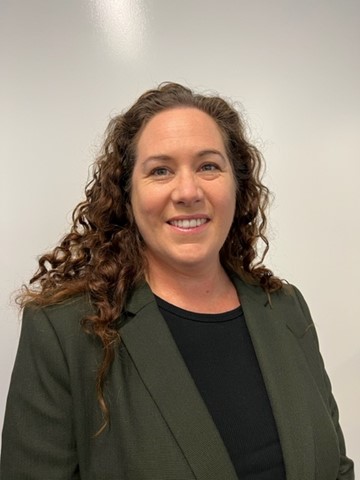
NSW Health Pathology clinician-researcher Professor Sharon Chen has led an international clinical trial of a new drug that could bring hope to patients with fungal infections that do not respond to conventional antifungal treatments.
Prof Sharon Chen and a team of clinicians around the world have collaborated on the trial of the new drug Olorofim, publishing the results in the latest edition of the prestigious journal, The Lancet Infectious Diseases.
There are currently only four main types, or classes, of anti-fungal drugs licensed and drug resistance is becoming a growing issue.
Sharon says finding new drugs to combat fungal infections is difficult.
“Because fungi are so closely related to humans, you need to use drugs that don’t target humans as well,” she said.
“This drug that was the focus of our study belongs to a new drug class that targets a specific fungal enzyme without affecting its counterpart in humans. Therefore, it can be used selectively to treat human infections caused by many mould pathogens such as Aspergillus and importantly, a pathogen called Lomentospora which is particularly prevalent in Australia.
“We can see the response rate to this class of drug is very good and it’s treating infections where very little else works, particularly for immunocompromised patients, like someone with cancer, or who has had a transplant.
“In addition, if people are unlucky enough to be involved in a major trauma event, like a car accident, or tractor injury and they do get one of these fungal infections, the mortality rate is extremely high, up to 90 per cent and where survivors may have severe disability.”

New drug is ‘a game-changer’
There is growing interest in fungal infections worldwide, particularly in the wake of increasing detections among patients with COVID-19 and other respiratory viral infections.
The World Health Organization (WHO) has published the first fungal priority pathogens list to guide research, development and public health action.
Three primary areas for action are proposed, focusing on:
(1) strengthening laboratory capacity and surveillance;
(2) sustainable investments in research, development, and innovation; and
(3) public health interventions.
Sharon says olorofim is the first antifungal in its class and the international trial which has been conducted over several years, examined its efficacy in patients with proven invasive fungal disease.
“The results were very promising, and this drug will be a game-changer for patients suffering infections that we currently can’t treat with existing antifungals,” she said.
“This was the first big study to assess the drug’s effectiveness and there are many other sub-studies that will follow from it.
“Those studies will hone in on specific pathogens, looking at the pharmacodynamics, assessing how much drug can be given to an adult, or for example someone with a liver or kidney impairment.”
The drug is not yet approved by the Food and Drug Administration (FDA), but it is available on compassionate grounds for infections that are not responsive to standard antifungal treatments.

An outstanding commitment to advancing healthcare
“This achievement is a testament to Sharon’s unwavering commitment to advancing healthcare,” said Prof David Brown, Director of NSW Health Pathology’s Institute of Clinical Pathology and Medical Research (ICPMR).
“Leading an international trial of this calibre, which enables the translation of innovative therapy to patients globally, is truly outstanding. That she has accomplished this while also heading one of the largest microbiology laboratories in Australia makes it all the more impressive.
“NSW Health Pathology remains committed to supporting all our staff and providing the infrastructure needed—not just to sustain, but to grow our contribution to healthcare locally, nationally, and globally,” Prof Brown said.
Sharon said she was excited to be part of such a significant study and to have the support of the Infectious Diseases Department and clinical trials unit at Westmead Hospital in the Western Sydney Local Health District.
“It was also vital to have the support of NSW Health Pathology’s laboratories to do the fungal testing and identify eligible patients for the study,” she said.
“It’s one of the great aspects of working at a public pathology provider like NSW Health Pathology that enables this sort of innovative research work.”