Supporting better health at the 2026 Koori Knockout

Supporting better health at the 2026 Koori Knockout

NSW Health Pathology was proud to support the 2026 Koori Knockout on Worimi Country near Newcastle, bringing free diabetes screening and health information to one of Australia’s largest gatherings of Aboriginal people.

Held from 2–4 Octo­ber, the event brought togeth­er thou­sands of play­ers, sup­port­ers, fam­i­lies and Elders from across New South Wales to cel­e­brate rug­by league, cul­ture and community.

Work­ing along­side Dia­betes Alliance Pro­gram Plus (DAP+) in the Gudi­da Well­be­ing Precinct, NSW Health Pathol­o­gy vol­un­teers pro­vid­ed free dia­betes screen­ing using Point of Care Test­ing (PoCT) tech­nol­o­gy. An air-con­di­tioned van sup­plied by DAP+ pro­vid­ed a com­fort­able space for com­mu­ni­ty mem­bers to have a health check and talk with health­care professionals.

Led by Asso­ciate Direc­tor of PoCT Gayle Warnock, the team con­duct­ed more than 100 HbA1c tests across the three-day event.
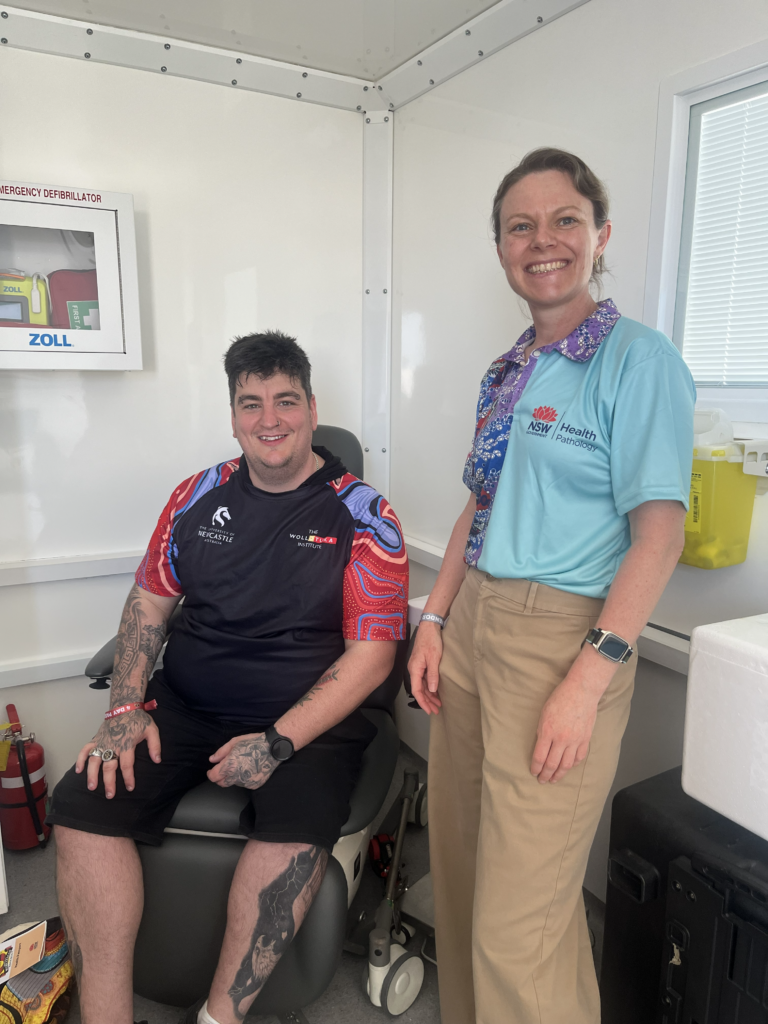
A woman standing next to a man sitting in a chair inside a medical testing van.
Fast results! Gayle Warnock and one of the many peo­ple tak­ing advan­tage of free test­ing at the Koori Knockout.
A woman in a chair getting a blood test taken.
Gayle car­ry­ing out the fin­ger prick test , which gives results in just a few minutes.


“It was so much fun to be part of such a pos­i­tive com­mu­ni­ty event, with fam­i­ly, cul­ture and footy at the heart of it,” Gayle said.

“There is such a high lev­el of health lit­er­a­cy around dia­betes in the Abo­rig­i­nal com­mu­ni­ty, and so many peo­ple were keen to get a check-up and make sure they were on the right track.”

For Gayle, the great­est impact came through the con­ver­sa­tions that accom­pa­nied the testing.

“The stand­out was hear­ing peo­ple’s sto­ries and under­stand­ing how they expe­ri­ence the health­care sys­tem. The test­ing gave us an oppor­tu­ni­ty to have impor­tant con­ver­sa­tions about health and wellbeing.”

NSW Health Pathol­o­gy Edu­ca­tion and Ini­tia­tives Con­sul­tant Tascha Dick­son, who helped coor­di­nate the organ­i­sa­tion’s involve­ment, praised the vol­un­teers who sup­port­ed the event.

“A huge thank you to the NSW Health Pathol­o­gy vol­un­teer team for bring­ing such incred­i­ble ener­gy and com­mit­ment to the event,” Tascha said.

“From set-up through to the final pack-up, you were always ready to step in, sup­port one anoth­er and con­tribute wher­ev­er need­ed. Every per­son played an impor­tant role in mak­ing our par­tic­i­pa­tion such a success.”

Four people standing outdoors in front of NSWHP signage, wearing Indigenous design NSWHP polo shirts.
NSWHP Chief Exec­u­tive Vanes­sa Janis­sen, Oper­a­tions Direc­tor Foren­sic Med­i­cine Rebec­ca Gigli, Nepean Local Pathol­o­gy Direc­tor Dr James Bran­ley and Gayle Warnock, Asso­ciate Direc­tor, PoCT.

Chief Exec­u­tive Vanes­sa Janis­sen said the event high­light­ed the impor­tance of meet­ing com­mu­ni­ties where they are and build­ing rela­tion­ships through gen­uine engagement.

“The Knock­out was larg­er than any of us had pre­pared for, and was so much fun to attend,” Vanes­sa said.

“The con­nec­tions we made and con­ver­sa­tions we had with peo­ple from com­mu­ni­ties from Bre­war­ri­na to Dub­bo, South West Syd­ney and Moree were incred­i­bly heartening.

“Hope­ful­ly we were able to make a dif­fer­ence to the health and well­be­ing of First Nations peo­ple, while demon­strat­ing our com­mit­ment to part­ner­ing with com­mu­ni­ties in ways that are mean­ing­ful and respectful.”

The event pro­vid­ed an oppor­tu­ni­ty to con­nect peo­ple with health infor­ma­tion, encour­age ear­ly detec­tion of dia­betes and strength­en part­ner­ships that sup­port bet­ter health out­comes for Abo­rig­i­nal com­mu­ni­ties across NSW.

Two women chat at a NSWHP themed table at the 2026 Koori Knockout.
Con­nect­ing with com­mu­ni­ty was a big goal for NSW Health Pathol­o­gy at this year’s Koori Knockout.

“They’ve given me my boy back” NSW Health Pathology geneticists help unlock a world-first treatment for baby Bohdi

When baby Bohdi Higginson began suffering devastating seizures at just three months of age, clinicians knew they were facing a rare and complex condition. The answer ultimately came through genomic testing at NSW Health Pathology’s Genomics Laboratory at Prince of Wales Hospital at Randwick.

It’s pre­ci­sion med­i­cine in prac­tice, where a team led by genet­ic pathol­o­gist Dr Michael Buck­ley and clin­i­cal geneti­cist Pro­fes­sor Tony Rosci­oli helped iden­ti­fy the genet­ic cause of baby Bohdi’s epilepsy.

The diag­no­sis revealed a change in the KCNT1 gene, a rare genet­ic vari­ant asso­ci­at­ed with cat­a­stroph­ic epilep­sy. The result pro­vid­ed clin­i­cians with the infor­ma­tion need­ed to explore a tar­get­ed treat­ment approach that would lead to a world-first med­ical breakthrough.

Bohdi’s moth­er, Steph Hig­gin­son, first noticed some­thing was wrong when Boh­di was just sev­en weeks old.

“I just knew that some­thing was going on. This is not what an ordi­nary baby should be doing,” she said.

As his con­di­tion dete­ri­o­rat­ed, Boh­di began expe­ri­enc­ing mul­ti­ple seizures a day, many of which Steph cap­tured on cam­era to help doc­tors under­stand what was happening.

When clin­i­cians con­firmed the diag­no­sis, the news was devastating.

“I remem­ber my first ques­tion was, ‘How long is my son going to live?’ And they were unable to tell me that,” she said.

“It was a very big shock to me as his mum that my son was crit­i­cal­ly ill and he could die very soon.”

The genet­ic diag­no­sis pro­vid­ed clin­i­cians the infor­ma­tion they need­ed to look beyond con­ven­tion­al epilep­sy treat­ments and con­sid­er a pre­ci­sion med­i­cine approach tar­get­ed to the spe­cif­ic genet­ic change respon­si­ble for Bohdi’s condition.

The power of genomic testing

Pro­fes­sor Rosci­oli said genom­ic test­ing plays an increas­ing­ly impor­tant role in help­ing fam­i­lies find answers for rare diseases.

“About 10 per cent of chil­dren seen in hos­pi­tal ear­ly in life are there because of a rare con­di­tion,” he said.

“There are more than 4,000 genes cur­rent­ly known to be asso­ci­at­ed with genet­ic dis­or­ders and, as knowl­edge increas­es, our abil­i­ty to make diag­noses con­tin­ues to improve.”

While KCN­T1-relat­ed epilep­sy is a recog­nised con­di­tion, it is just one of hun­dreds of genes analysed when a child is referred for genom­ic test­ing because of seizures or devel­op­men­tal concerns.

“KCNT1 is a known gene that can result in epilep­sy, but it is one of hun­dreds of dif­fer­ent genes that are con­sid­ered when the refer­ral is for genom­ic analy­sis for epilep­sy,” Pro­fes­sor Rosci­oli said.

A man standing in a laboratory, smiling.
Rand­wick Genomics Senior Staff Spe­cial­ist Pro­fes­sor Tony Roscioli.

The Rand­wick Genomics Lab­o­ra­to­ry uses sophis­ti­cat­ed analy­sis sys­tems to search for rare DNA changes that could explain a patien­t’s con­di­tion. Even with these advances, a diag­no­sis is cur­rent­ly found in only about 40 per cent of chil­dren referred for genom­ic test­ing due to epilep­sy or intel­lec­tu­al disability.

For Pro­fes­sor Rosci­oli, the case high­lights the impor­tance of close col­lab­o­ra­tion between genom­ic sci­en­tists and clinicians.

“This is crit­i­cal,” he said.

“The spe­cif­ic details of every fam­i­ly need to be sum­marised for the lab­o­ra­to­ry so genom­ic test­ing can focus how the DNA sequence is analysed. Clin­i­cians like being able to have this con­ver­sa­tion. It demys­ti­fies the lab­o­ra­to­ry and improves clin­i­cal outcomes.”

A world-first treatment

When doc­tors pre­sent­ed Steph with the pos­si­bil­i­ty of a nov­el treat­ment specif­i­cal­ly designed to tar­get the KCNT1 path­way, she faced an ago­nis­ing decision.

“I was told that this was pret­ty much the only option they’ve got avail­able for his con­di­tion. So to me, it was a no-brain­er. How could I say no when it could be exact­ly what he needed?”

At the same time, she under­stood the risks.

“It was ter­ri­fy­ing for Boh­di to be the first per­son with this con­di­tion to have a med­ica­tion that is unknown to everyone.

“But it did give me hope that the treat­ment was not just mask­ing the symp­toms but treat­ing the condition.”

Just days after treat­ment began, Bohdi’s seizures stopped.

A baby smiling.
Baby Bohdi’s recov­ery was notice­able with­in days of the treat­ment start­ing. (Pho­tos sup­plied: ABC News, Tim­o­thy Ailwood)

Hope for the future

Pro­fes­sor Rosci­oli described his reac­tion on hear­ing the news.

“It was both amaze­ment and hap­pi­ness that the work we are doing to insti­tute genom­ic diag­nos­tics for rare con­di­tions in NSW is ben­e­fit­ing peo­ple,” he said.

He believes main­tain­ing genom­ic exper­tise with­in the pub­lic health sys­tem is essen­tial to ensur­ing all fam­i­lies have access to life-chang­ing diag­noses and treatments.

“It is crit­i­cal to fos­ter and main­tain this exper­tise, par­tic­u­lar­ly in the pub­lic health sys­tem, so that fam­i­lies from every back­ground can access it,” Pro­fes­sor Rosci­oli said.

“There are often quite com­plex sit­u­a­tions that require indi­vid­u­alised sys­tems to get to the right answer, and the right answer quick­ly. The appli­ca­tion of pre­ci­sion med­i­cine requires it.”

A group of people standing in front of a piece of artwork in a modern office space.
Some of the team at NSW Health Pathology’s Rand­wick Genomics lab­o­ra­to­ry. Left to right: Nila Quayum, Futao Zhang, Minakshi Chaud­hary, Juli­ette Abra­hamse, Dr Edwin Kirk, Ying Zhu (in front of Edwin), Justin Szot (behind Edwin), Meysam Rezaeishahmirzadi.

While cas­es like Bohdi’s remain uncom­mon, Pro­fes­sor Rosci­oli is opti­mistic about the future.

“Cur­rent­ly, just over one per cent of genom­ic diag­noses lead to some form of spe­cif­ic treat­ment change,” he said.

“The first step is under­stand­ing what caus­es a dis­ease. The sec­ond is mak­ing a genom­ic diag­no­sis. The third, treat­ment, requires these. As long as genom­ic diag­nos­tic ser­vices con­tin­ue to meet this need, increas­ing knowl­edge will lead to more and more con­di­tions hav­ing therapies.

“A gen­er­a­tion ago, all of this was incon­ceiv­able. We can expect many rare con­di­tions to have a treat­ment in the next generation.”

Steph cred­its the rapid genom­ic diag­no­sis with chang­ing the course of her son’s life.

“I just want to say thank you to (the genomics team) for being so won­der­ful and so good at their job,” she said. “They’ve giv­en me my boy back.”

Bohdi’s sto­ry shows how genom­ic med­i­cine is mov­ing beyond diag­no­sis alone, help­ing clin­i­cians con­nect the right patient to the right treat­ment at the right time, and offer­ing new hope to fam­i­lies affect­ed by rare disease.

Meet Melleah: Behind-the-scenes care that makes a difference

Mel is a Med­ical Lab­o­ra­to­ry Sci­en­tist based at our Moruya lab­o­ra­to­ry, and for the past two years she has been play­ing a vital role in sup­port­ing patient care through her work at NSW Health Pathol­o­gy. 

Although sci­en­tists often work behind the scenes, Mel says the impor­tance of their work is nev­er far from mind. “The results we pro­duce are essen­tial in guid­ing doc­tors and sup­port­ing patient diag­no­sis and treat­ment,” she explains. “Every test result con­tributes to a clin­i­cal deci­sion.” 

For Mel, the word ‘care’ means being accu­rate, respon­si­ble and ded­i­cat­ed at every step of the process. Each sam­ple rep­re­sents a per­son wait­ing for answers, and that under­stand­ing shapes how she approach­es her work each day. 

One of Mel’s proud­est achieve­ments has been devel­op­ing her skills and con­fi­dence as a Med­ical Lab­o­ra­to­ry Sci­en­tist. She val­ues being a depend­able mem­ber of the team and know­ing her work con­tributes to safe, high-qual­i­ty patient out­comes. 

What moti­vates her to come to work each morn­ing is sim­ple but pow­er­ful: know­ing that the work done in the lab­o­ra­to­ry direct­ly sup­ports doc­tors and helps patients receive the right diag­no­sis and treat­ment, often at crit­i­cal moments in their care. 

Out­side of work, Mel enjoys read­ing and rec­om­mends Atom­ic Habits, a book that explores how small, con­sis­tent changes can lead to sig­nif­i­cant improve­ments over time – a phi­los­o­phy that aligns close­ly with the pre­ci­sion and con­sis­ten­cy required in pathol­o­gy. 

Mel’s sto­ry is a reminder of the essen­tial role pathol­o­gy pro­fes­sion­als play every day in deliv­er­ing care across NSW. 

DSC01154

A Commonwealth dream: Reagan Clarke reflects on a remarkable comeback

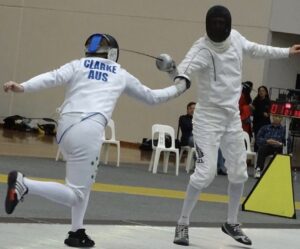
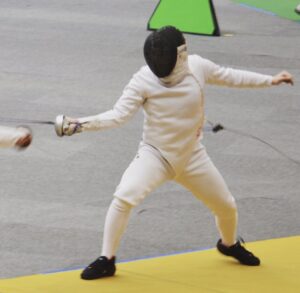
After a nine-year break from competitive fencing, NSW Health Pathology’s Reagan Clarke has achieved a goal years in the making: representing Australia at the Commonwealth Fencing Championships in Lagos, Nigeria.


Com­pet­ing against some of the world’s best fencers, Rea­gan fin­ished 19th in Men’s Indi­vid­ual Epee, 22nd in Men’s Indi­vid­ual Foil, eighth in Men’s Team Epee and sixth in Men’s Team Foil. 

 While the results fell short of the high stan­dards he sets for him­self, Rea­gan says the expe­ri­ence was a suc­cess.  

“I did­n’t medal, which was dis­ap­point­ing, but over­all I fenced well and beat some very strong com­peti­tors,” he said. 


ReaganClarkePostComp2

One of his clos­est con­tests came in the Men’s Indi­vid­ual Epee, where he nar­row­ly lost 15–14 to a high­ly ranked Welsh oppo­nent.  

Despite the com­pet­i­tive inten­si­ty, it was the cama­raderie on and off the piste that stood out most. 

“As we did­n’t have a coach or team man­ag­er with us, every­one stepped up and sup­port­ed each oth­er,” he said. “The team spir­it was incred­i­ble, and the inter­na­tion­al fenc­ing com­mu­ni­ty was very wel­com­ing.” 


For Rea­gan, sim­ply reach­ing the Com­mon­wealth Cham­pi­onships was an achieve­ment in itself. 

“This event was the cul­mi­na­tion of decades of hard work, train­ing and sac­ri­fice,” he said. “It means a lot to be able to call myself a Com­mon­wealth ath­lete.” 

Rep­re­sent­ing Aus­tralia also car­ries a dif­fer­ent mean­ing now than it did ear­li­er in his career. 

“When I was younger, selec­tion felt almost expect­ed because I was train­ing and com­pet­ing at such a high lev­el. These days, bal­anc­ing work, train­ing and life means every oppor­tu­ni­ty means so much more.” 

The expe­ri­ence also taught him that his com­pet­i­tive dri­ve remains as strong as ever. 

“I learnt that the fire in me that strives for good results still burns, just in a slight­ly dif­fer­ent way. I’m proud to say that I gave it my all.” 


Back in Aus­tralia, Rea­gan is tak­ing some time to recov­er and con­sid­er his next steps, which could include coach­ing, ath­lete man­age­ment or com­pet­ing in future Mas­ters and Vet­er­ans events. 

ReaganClarkePostComp1Reflect­ing on his achieve­ment, Rea­gan says the sup­port of fam­i­ly, team­mates and col­leagues played an impor­tant role in help­ing him achieve his goal. 

 “Get­ting to the Com­mon­wealth Cham­pi­onships took a lot of hard work, but it also would­n’t have been pos­si­ble with­out the encour­age­ment of the peo­ple around me,” he said. “I’m grate­ful for the sup­port I’ve received from my fam­i­ly, my team­mates and my col­leagues at NSW Health Pathol­o­gy through­out the jour­ney.” 

 His advice for any­one con­sid­er­ing return­ing to a pas­sion they’ve put aside is sim­ple. 

“Do it. Look­ing at some­thing you love with a fresh per­spec­tive can be incred­i­bly reward­ing.” 

 For Rea­gan, return­ing to fenc­ing after so many years was about more than the final results. It was a chance to test him­self again, recon­nect with a sport he loves and rep­re­sent Aus­tralia on the inter­na­tion­al stage. 


ReaganClarkePostComp


A new era of digital haematology to speed up critical medical diagnoses

The statewide rollout of Digital Haematology Morphology technology is nearing completion and marks a significant milestone in the modernisation of laboratory services across NSW Health Pathology.

This tech­nol­o­gy is mod­ernising blood film analy­sis across met­ro­pol­i­tan, region­al and rur­al lab­o­ra­to­ries for con­di­tions like leukaemia and oth­er blood can­cers, reduc­ing turn­around times and improv­ing patient safety.

Project Man­ag­er Mandy Hub­bard said this pro­gram is trans­form­ing how blood films are reviewed and how quick­ly patients receive care.

“The ini­tia­tive has suc­cess­ful­ly intro­duced dig­i­tal mor­phol­o­gy capa­bil­i­ties at scale, enabling lab­o­ra­to­ry teams to access cas­es remote­ly, col­lab­o­rate more effec­tive­ly and reduce reliance on phys­i­cal slide han­dling. This is par­tic­u­lar­ly ben­e­fi­cial for region­al and small­er lab­o­ra­to­ries, where access to spe­cial­ist exper­tise can now be achieved more effi­cient­ly,” Mandy said.

“Since its com­mence­ment in April 2025, the pro­gram has expand­ed to 41 sites, includ­ing nine report­ing-only locations.

“To sup­port this roll­out, 33 analy­sers have been installed and more than 200 staff trained in the new systems.”

The first sites, Tam­worth and Port Mac­quar­ie, went live in Feb­ru­ary 2026, and the final site, Bankstown, was com­plet­ed in mid-August 2026.

A lady with dark curly hair with pictures of cells under the micrscope.
Project Man­ag­er Mandy Hubbard

The impact of dig­i­tal mor­phol­o­gy is already evi­dent, with up to a 15 hour improve­ment in turn­around times at some sites mea­sur­able improve­ments in turn­around times record­ed across mul­ti­ple sites in NSW.

Supporting staff through change

Feed­back from lab­o­ra­to­ry staff high­lights a strong shift from ini­tial hes­i­ta­tion to con­fi­dent­ly adopt­ing the new technology.

“I will be hon­est and say that I was hes­i­tant when we were all talk­ing about it for the last cou­ple of years. But now that we have gone live, I am lov­ing it… Mor­phol­o­gy and Micro would always be the last bas­tions for automa­tion, but here we are!” – Lyn­da, Tam­worth Lab­o­ra­to­ry, Hos­pi­tal Scientist.

“Once you get the hang of it, it’s real­ly easy to use and quick­er.” – Suzanne, Wag­ga Wag­ga, Senior Scientist.

“It con­firmed a pre­vi­ous­ly undi­ag­nosed case of G6PD defi­cien­cy and ensured a patient with acute leukaemia was diag­nosed and trans­ferred to a Syd­ney hos­pi­tal the same day for treat­ment,” - Ali­son, Kempsey Lab Manager.

These expe­ri­ences reflect broad­er feed­back across sites, where staff are report­ing improved effi­cien­cy, eas­i­er access to cas­es and reduced time spent man­u­al­ly locat­ing slides.

Con­grat­u­la­tions to every­one who has been involved. This mile­stone sets a strong foun­da­tion for con­tin­ued inno­va­tion, deliv­er­ing faster, more con­sis­tent and more con­nect­ed pathol­o­gy ser­vices for com­mu­ni­ties across NSW, and deliv­er­ing care clos­er to home, espe­cial­ly for region­al and remote patients.

A group of Bankstown lab professionals smile in front of these new scanner.
The Bankstown Lab­o­ra­to­ry team with their new scan­ner which allows them to access cas­es remote­ly, col­lab­o­rate more effec­tive­ly and reduce reliance on phys­i­cal slide handling.

New Australia-first test offers advanced monitoring for thyroid cancer patients

People living with thyroid cancer across NSW now have access to a highly specialised diagnostic test available through NSW Health Pathology, providing clinicians with a new option for monitoring patients where conventional testing may be less reliable.

The new high-sen­si­tiv­i­ty serum thy­roglob­u­lin (TgMS) test offers clin­i­cians an addi­tion­al option for mon­i­tor­ing select­ed patients with dif­fer­en­ti­at­ed thy­roid can­cer when con­ven­tion­al immunoas­say results may be affect­ed by anti­body interference.

This new ser­vice, devel­oped by NSW Health Pathology’s Clin­i­cal Chem­istry team based at Roy­al North Shore Hos­pi­tal, is the first clin­i­cal assay of its kind avail­able in Aus­trala­sia and expands access to advanced mass spec­trom­e­try-based diag­nos­tics for patients across NSW and beyond.

How is the test different?

Thy­roglob­u­lin is an impor­tant tumour mark­er used to mon­i­tor patients fol­low­ing treat­ment for dif­fer­en­ti­at­ed thy­roid can­cer. How­ev­er, con­ven­tion­al lab­o­ra­to­ry test­ing can be affect­ed by anti-thy­roglob­u­lin anti­bod­ies (TgAb) and het­erophile anti­body inter­fer­ence, mak­ing results dif­fi­cult to inter­pret in some patients.

The new LC-MS/MS assay over­comes these lim­i­ta­tions by pro­vid­ing thy­roglob­u­lin mea­sure­ment that is unaf­fect­ed by these inter­fer­ences, help­ing clin­i­cians make more informed deci­sions about ongo­ing patient care.

Dr Mag­da Bolek and Dr Lucy Ding (pic­tured above) led the devel­op­ment of the new assay.

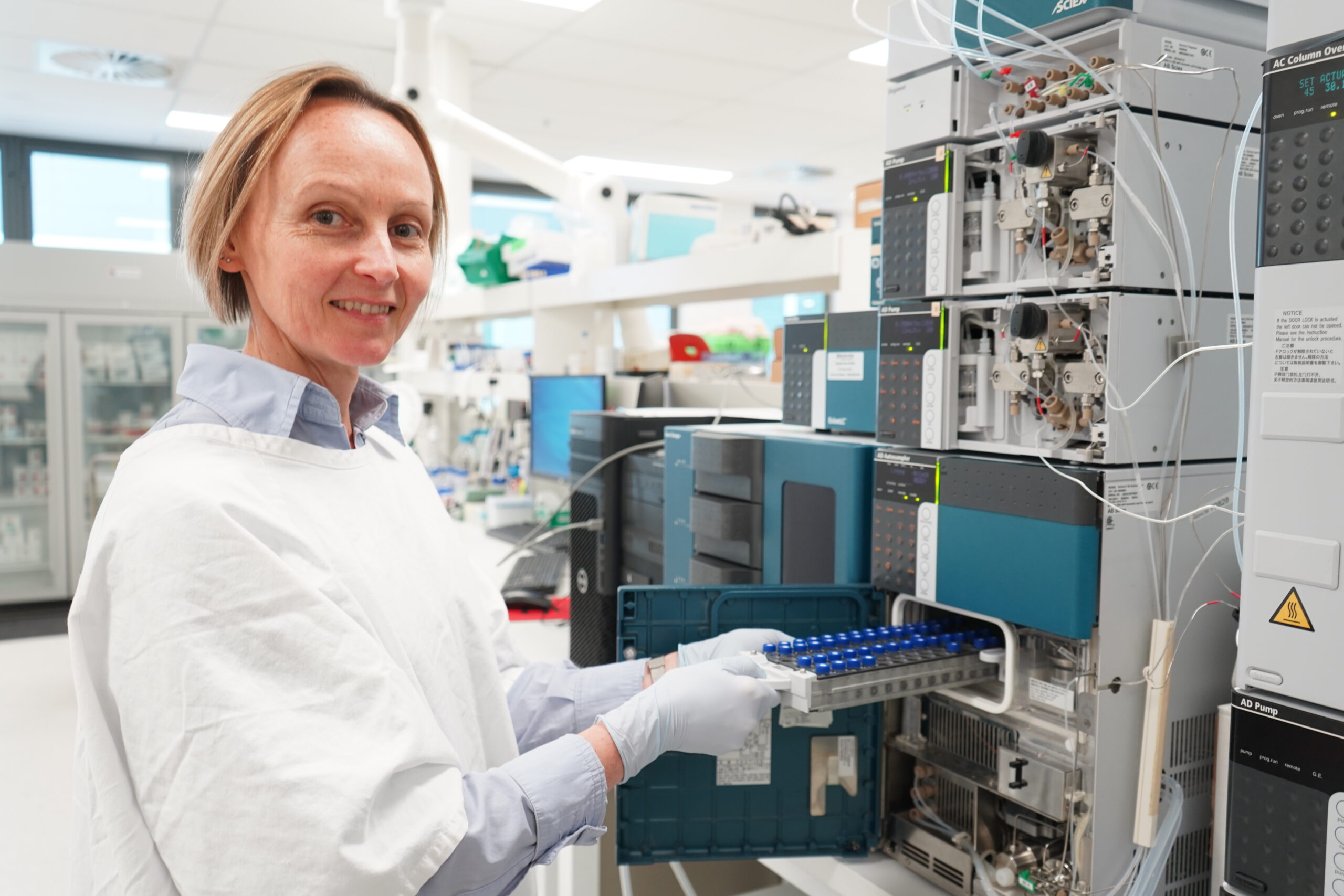
A woman in a white lab coat inspecting a mass spectrometry device.
Dr Mag­da Bolek with the mass spec­trom­e­try equip­ment used to car­ry out the new test.

Dr Bolek said the test fills an impor­tant need for clin­i­cians man­ag­ing patients with dif­fer­en­ti­at­ed thy­roid cancer.

“This is a sig­nif­i­cant advance­ment in thy­roid can­cer mon­i­tor­ing and pro­vides clin­i­cians with access to a high­ly spe­cialised test, not pre­vi­ous­ly avail­able any­where else in Aus­tralia,” she said.

“The assay may be par­tic­u­lar­ly valu­able for patients with per­sis­tent anti-thy­roglob­u­lin anti­bod­ies, where stan­dard test­ing results do not align with the clin­i­cal pic­ture, or where anti­body inter­fer­ence is suspected.”

Dr Ding says the assay fills an impor­tant clin­i­cal gap.

“For some thy­roid can­cer patients, con­ven­tion­al thy­roglob­u­lin test­ing can be chal­leng­ing to inter­pret due to anti­body inter­fer­ence,” she said.

“This new LC-MS/MS assay elim­i­nates the anti­body inter­fer­ence but still has a sen­si­tiv­i­ty down to 0.1 ug/L which is equiv­a­lent to the best thy­roglob­u­lin immunoas­says on the market.”

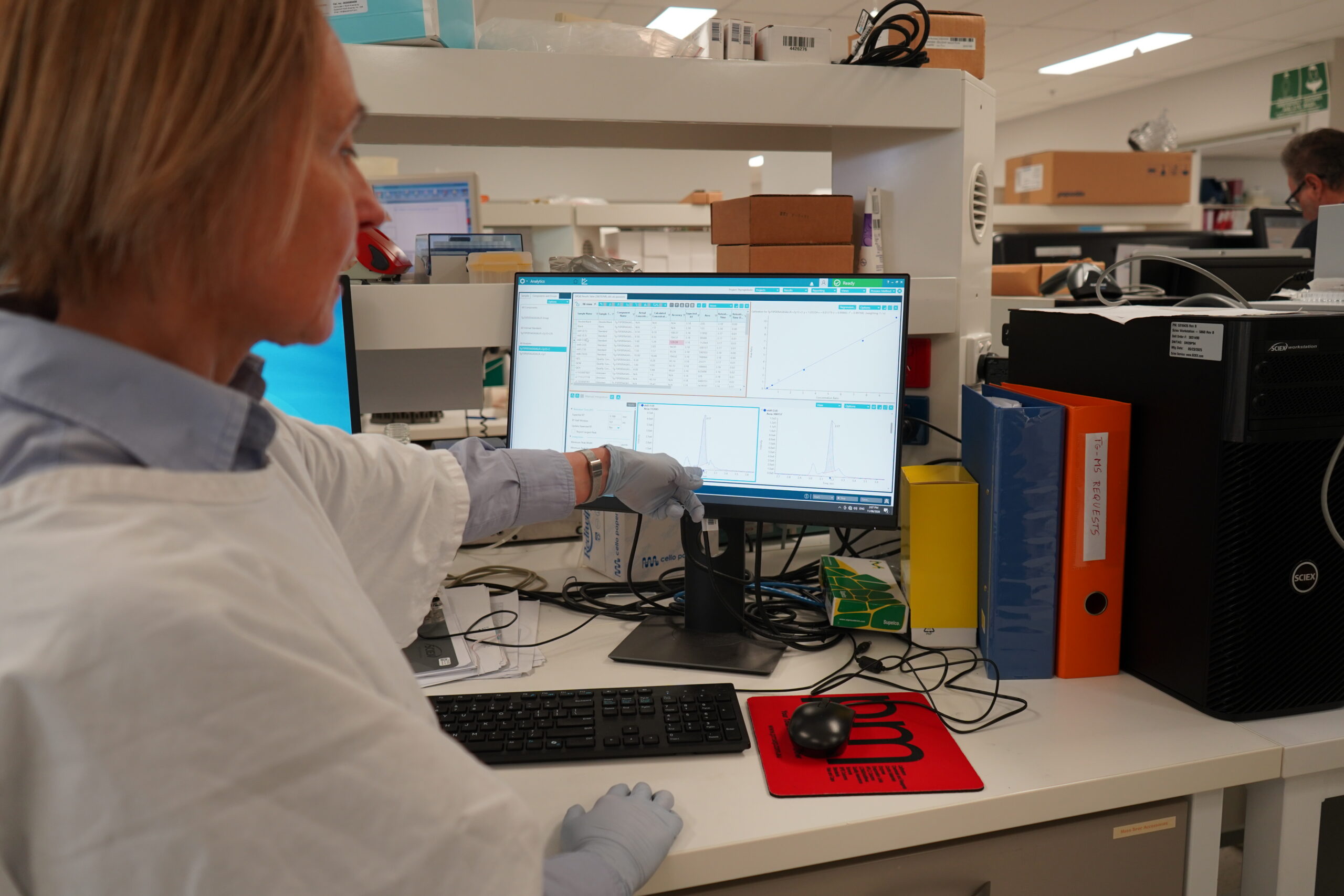
A woman in a white lab coat in a laboratory points to a series of results on a computer screen.
Dr Bolek explains how the test­ing pro­vides high­ly sen­si­tive thy­roglob­u­lin measurement.

NSW Health Pathol­o­gy Chief Exec­u­tive Vanes­sa Janis­sen said the ser­vice demon­strates the exper­tise and inno­va­tion of pub­lic pathol­o­gy ser­vices in NSW.

“Our teams con­tin­ue to devel­op and deliv­er sophis­ti­cat­ed diag­nos­tic ser­vices that sup­port clin­i­cians and improve health out­comes for patients across the state,” Ms Janis­sen said.

“This new assay strength­ens NSW Health Pathol­o­gy’s capa­bil­i­ties in pre­ci­sion diag­nos­tics and ensures patients have access to world-class test­ing clos­er to home.”

Skip to content