




Media Contact
Related News
Related News


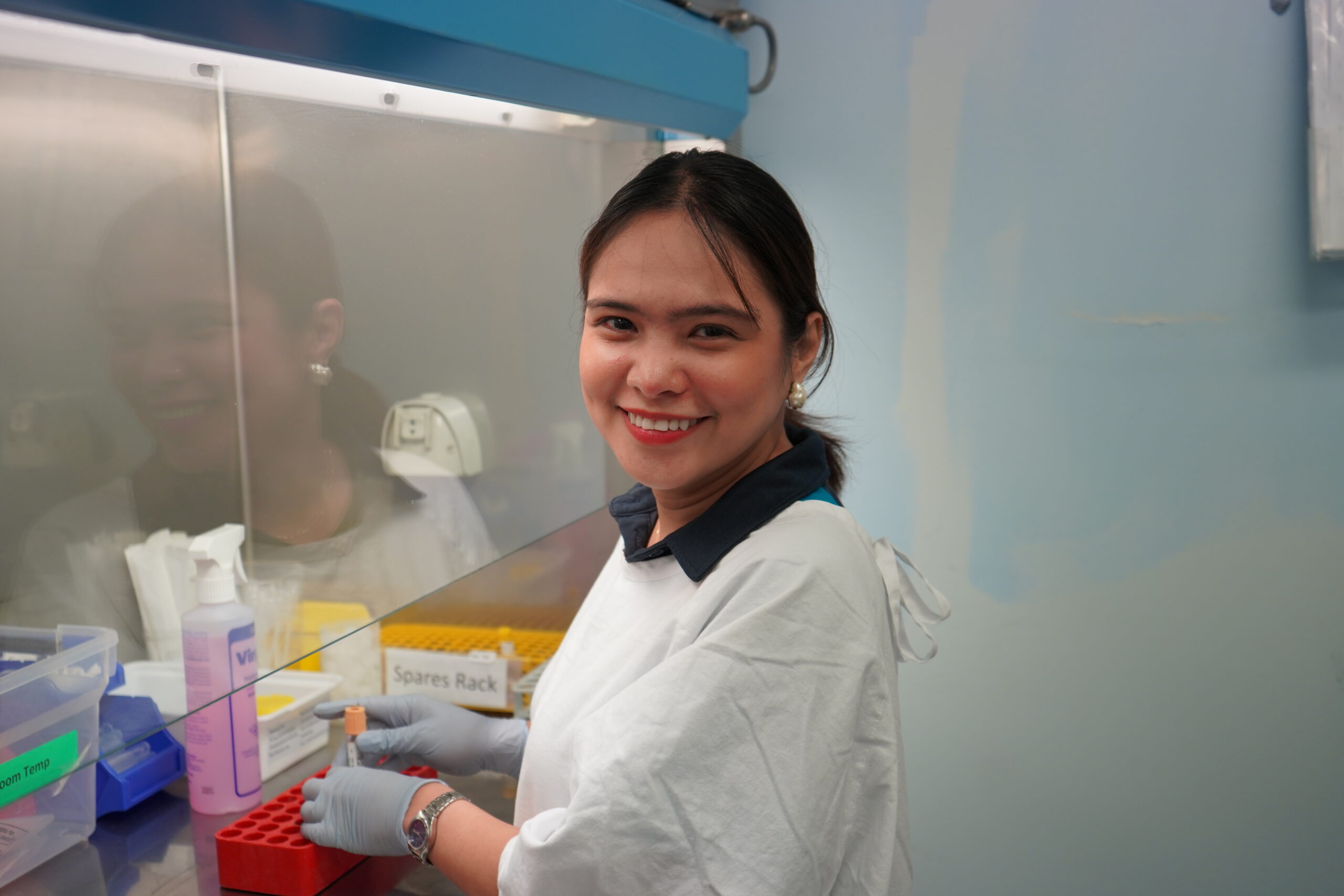


For more than 20 years, Edgar has been taking pathology collection services beyond the laboratory and into the homes of patients across Western Sydney.
Edgar has been an in-home pathology collector with NSW Health Pathology since 2003.
His work plays an important role in ensuring patients who are unable to attend a collection centre can still access the tests they need.
“After 23 years in this role, I’ve developed a strong sense of confidence and competence in my work,” Edgar said.
“Most importantly, I feel that my work has a purpose. Knowing that the samples I collect contribute to a patient’s diagnosis, treatment and ongoing care gives me a sense of satisfaction and pride in what I do.”
Edgar visits patients in their homes, providing a service that is often about much more than collecting a blood sample.
Many of the people he sees are elderly, unwell or managing complex health conditions.
“One of the most rewarding aspects of home visits is being able to provide a service to patients in the comfort of their own homes,” he said.
“For some patients, particularly those with serious illnesses such as cancer, having someone who is calm, respectful and compassionate can make a difficult experience a little easier.”

Communicating is key
While the technical side of collections is important, Edgar believes communication is just as critical.
“I try to build rapport first,” he said.
“Take a moment to introduce yourself, explain what you’re going to do and have a little conversation. Don’t make the patient feel rushed.
“Acknowledging a patient’s anxiety can make a big difference. Communication and reassurance are just as important as the technical aspects of the collection.”
Home collections can be challenging and unpredictable. Working independently, Edgar must carefully manage his time, verify patient identification, ensure specimens meet testing requirements and adapt to each patient’s circumstances.
“Every patient has different needs,” he said.
“Working with patients in their homes requires patience, empathy and respect.”
Edgar says he gets a great deal of satisfaction knowing his work contributes to their healthcare journey.
“Even though my role may involve a simple collection, it can be an important part of a patient’s diagnosis, treatment and ongoing medical care,” he said.
“It reminds me that what I do makes a difference.”